Mental Health & Health Education
Strengthening the systems, knowledge, skills, and supportive environments that help learners, educators, families, and communities protect well-being, build resilience, and make informed health decisions.
Our role is educational and systems-focused: prevention, early support, safe referral pathways, capacity building, and healthier learning environments.
Well-Being as a Foundation
Healthier people, stronger learning, more resilient communities
Mental health and health education are fundamental to building resilient individuals and thriving communities, yet they remain among the most neglected dimensions of holistic development.
InsightBridge supports governments, institutions, and development partners in designing integrated programmes that promote mental well-being, health awareness, and resilience across school, workplace, and community settings.
Our approach connects education and public-health objectives. It emphasizes prevention, early intervention, safe and inclusive environments, practical life skills, community participation, and responsible pathways to qualified services when additional support is needed.
What We Support
Integrated mental-health and health-education support
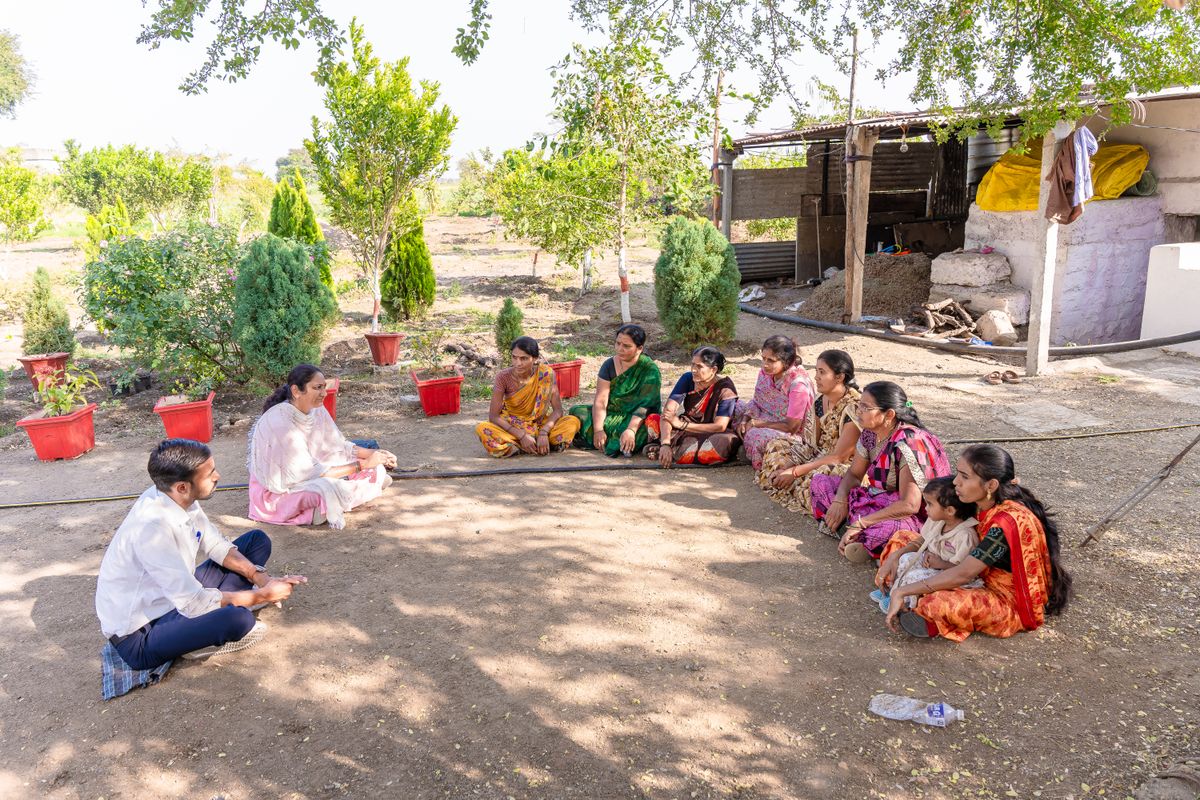
We help partners move from broad well-being commitments to coherent policies, curricula, institutional practices, workforce capacity, and measurable programme delivery.
Policy, Strategy & System Design
Develop or strengthen policies, strategic frameworks, standards, and implementation arrangements that connect education, health, protection, and community systems.
Curriculum & Learning Materials
Design age-appropriate, culturally responsive curricula, modules, facilitator guides, and learner resources for mental-health literacy, healthy behaviours, and life skills.
Educator & Workforce Development
Prepare teachers, school leaders, facilitators, community workers, and institutional teams to deliver health education, recognize concerns, respond appropriately, and protect their own well-being.
Awareness & Stigma Reduction
Create clear, responsible campaigns and dialogue processes that improve understanding, challenge harmful misconceptions, and encourage timely, respectful help-seeking.
Early Support & Referral Pathways
Establish practical, non-clinical procedures for recognizing warning signs, responding safely, documenting concerns, and connecting people with qualified local services.
Psychosocially Supportive Environments
Strengthen routines, relationships, safeguarding practices, peer support, and institutional cultures so learners and staff experience dignity, belonging, safety, and trusted support.
Life Skills, Resilience & Well-Being
Integrate social-emotional learning, communication, problem solving, coping, self-care, healthy relationships, and responsible decision-making into education and community programmes.
Research, Monitoring & Learning
Generate context-sensitive evidence, define meaningful indicators, track implementation and outcomes, and use learning to improve quality, sustainability, and responsible scale.
How We Work
From local understanding to sustainable well-being systems
Our four-stage pathway connects evidence with lived experience, builds institutional ownership, and strengthens the structures needed to sustain support after a project ends.
Understand Context & Need
Examine policies, services, beliefs, health risks, existing resources, workforce capacity, referral options, and the experiences of priority groups.
Co-Design the Response
Work with learners, educators, families, communities, technical experts, and public institutions to define relevant content, delivery channels, safeguards, and results.
Build Capacity & Implement
Develop materials, prepare responsible facilitators, establish support protocols, test delivery, and strengthen coordination across education, health, and protection actors.
Measure, Learn & Strengthen
Monitor reach, quality, safety, knowledge, behaviour, and institutional change; use evidence to refine the programme and inform responsible expansion.
Cross-Cutting Commitments
Responsible practice in every setting
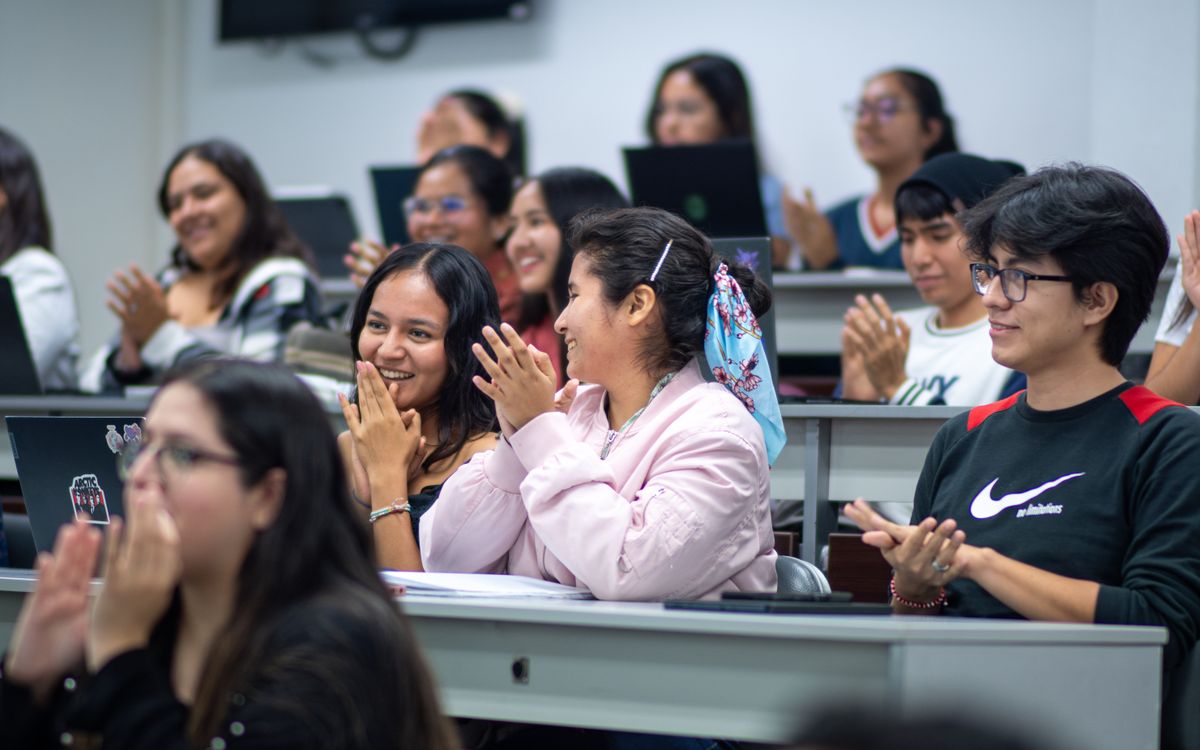
Mental-health and health-education programmes work best when technical quality is matched by strong safeguarding, cultural relevance, and institutional accountability.
Dignity & Rights
Use respectful language and approaches that protect agency and avoid labelling people.
Safeguarding & Do No Harm
Anticipate risk, define safe responses, and protect children and vulnerable groups.
Cultural & Linguistic Relevance
Adapt concepts, examples, delivery methods, and language to the local context.
Equity & Accessibility
Address barriers related to gender, disability, poverty, displacement, and geography.
Privacy & Responsible Referral
Clarify confidentiality limits and connect people only through safe, verified pathways.
Evidence & System Alignment
Use credible evidence and align interventions with education and public-health priorities.
Practical Deliverables
What an engagement can produce
Deliverables are tailored to the assignment, institutional mandate, population, delivery setting, available services, and intended results.
Situation & Needs Analyses
Evidence reviews, stakeholder mapping, needs assessments, and system diagnostics.
Policies & Strategic Frameworks
Policy options, implementation plans, standards, roles, and coordination arrangements.
Curricula & Learning Resources
Age-appropriate modules, learner materials, activity packs, and communication resources.
Facilitator & Educator Guides
Session plans, safe-discussion guidance, inclusive methods, and practical classroom tools.
Training & Coaching Packages
Competency frameworks, workshops, practice activities, coaching, and follow-up support.
Support & Referral Protocols
Clear roles, response steps, safeguarding guidance, escalation routes, and service maps.
Community Engagement Plans
Dialogue formats, family resources, awareness campaigns, and partnership mechanisms.
Monitoring & Learning Frameworks
Theories of change, indicators, tools, learning questions, reporting, and adaptation processes.
Who We Work With
Supporting institutions that shape health and well-being
InsightBridge can support organizations at policy, system, institutional, programme, and community levels.
Governments & Public Institutions
Education, health, youth, social protection, and local-government authorities.
Schools, Universities & Workplaces
Institutions seeking stronger policies, staff capacity, learning content, and support systems.
Development Partners & NGOs
Organizations designing, financing, implementing, or evaluating education and health programmes.
Research & Training Institutions
Partners generating evidence, developing professionals, and strengthening local knowledge systems.
Intended system and programme outcomes
- Improved mental-health and health literacy among learners, staff, families, and communities
- Greater confidence among educators and facilitators to discuss well-being responsibly
- Safer, more inclusive, and psychosocially supportive learning and working environments
- Stronger early-support, safeguarding, coordination, and referral arrangements
- Reduced stigma and more constructive community dialogue around mental health
- Better evidence, institutional capacity, and ownership for sustainable programme improvement
Start a Conversation
Strengthen well-being through education and systems change
Looking for a partner to design a context-responsive mental-health or health-education initiative? Let’s discuss your priorities, institutional setting, target groups, safeguards, and intended results.